Why Trauma Lives in the Body, Not Just the Mind
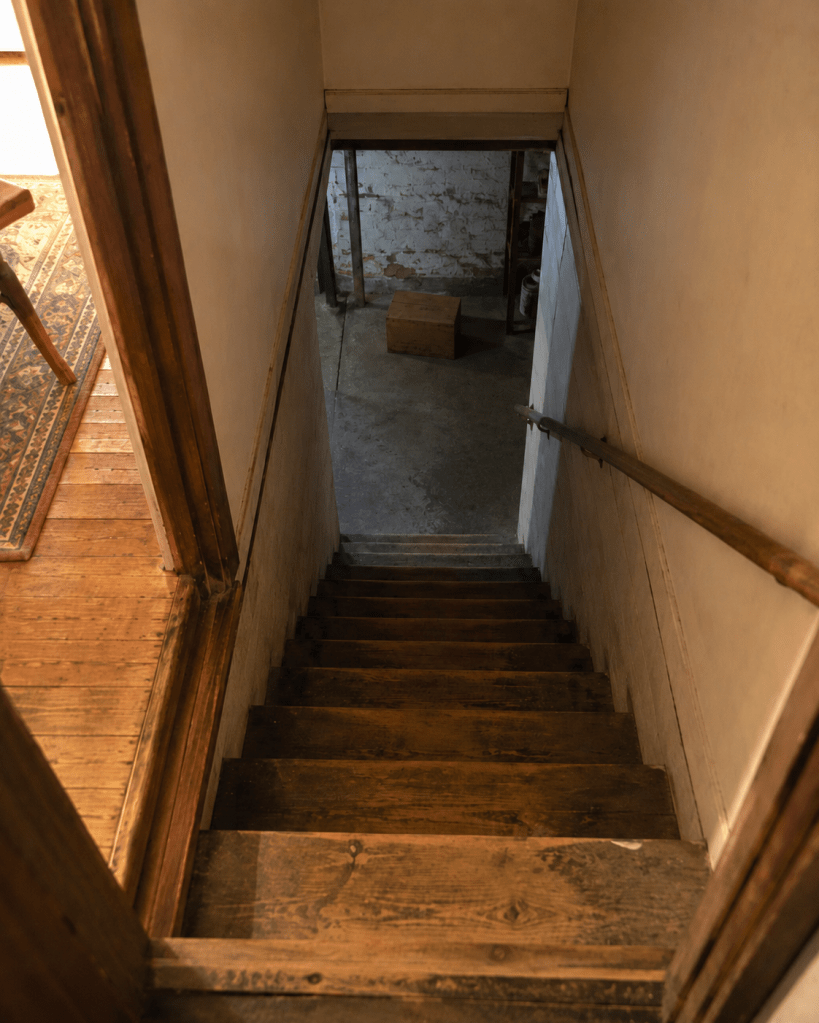
You are driving along fine until you pass a certain exit, and your chest tightens before you even register where you are. Or a stranger in the grocery store wears the wrong cologne, and your stomach drops right there in the cereal aisle. Maybe it is a certain song, a certain week in October, the particular sound of a screen door slapping shut.
Your body knew before your mind caught up. It usually does.
One of the biggest misunderstandings about trauma is the idea that it lives in your thoughts, so you should be able to think your way past it. Decide to move on, choose joy, quit dwelling. If that worked, my waiting room would be empty. It does not work, because trauma is not stored where your decisions are made. It is stored lower down, in systems that never asked your opinion.
The alarm does not wear a watch
Deep in your brain sits an alarm system. Its whole job is keeping you alive, and it is very good at that job. When something dangerous happened to you, it took notes. The smell in the room, the tone of voice, the season, the song on the radio. All of it got filed under one heading: danger.
Here is the catch. That alarm does not wear a watch. It has no idea whether it is 2009 or this morning, because it does not track time at all. It tracks patterns. When today’s pattern matches yesterday’s danger closely enough, it pulls the alarm with everything it has, and your body responds like the original event is happening right now. Racing heart, tight chest, sweat, tunnel vision, the sudden need to leave. You are not overreacting to the cologne. You are reacting to what the cologne is filed with.
The gas pedal and the brake
Your nervous system runs on two pedals. One is the gas, the system that revs you up to fight or run when something threatens you. The other is the brake, the system that settles you back down when the danger passes so you can rest, digest your supper, and sleep.
In a body that has not been through much, those pedals trade off smoothly all day long. In a body shaped by trauma, the gas pedal sticks. The revving that was supposed to last five minutes has lasted five years, and you have been idling high for so long that you honestly cannot remember what calm feels like. Some bodies go the other direction and slam the brake so hard everything goes numb and gray, which we will talk about in the freeze post later in this series. Either way, the pedals are stuck, and no amount of deciding to relax unsticks them.
The TNT box in the basement
I tell clients that trauma gets stored like a box of TNT in the basement. You can live upstairs for years and mostly forget it is down there. You cook supper, you go to church, you raise your kids, and the box just sits.
Then somebody bumps it. A smell, an anniversary, a raised voice, a hospital waiting room, and the whole house shakes. Afterward you stand in the rubble asking what on earth is wrong with you, because the bump was so small. The bump was never the problem. The bump only touched what was already stored, and stored explosive does not care how gently you brush against it.
This is why your body has been talking to you in symptoms. The clenched jaw, the migraines, the gut trouble no doctor can quite explain, the exhaustion that a full night of sleep never fixes, getting sick the first day of every vacation the minute you finally stop. A body that has been guarding a basement for decades is a tired body.
Why “calm down” has never once worked
You cannot logic a smoke alarm into silence. Standing in the kitchen explaining to the alarm that it is only burnt toast does exactly nothing, because the alarm does not speak that language. You have to reach the alarm itself.
The same is true of your body. Talking matters, and I say that as a woman who talks for a living, but words alone cannot reach systems that run underneath words. Healing has to include the body: the breath, the senses, the felt experience of actually being safe, over and over, until the alarm recalibrates. Later in this series I will walk through what that bottom-up work looks like in real life.
For now, I want you to hear this much. “I will praise You, for I am fearfully and wonderfully made” (Psalm 139:14, NKJV). That verse includes your alarm system. The body you have been fighting is the same body that kept you alive, and it is not your enemy. It is a faithful guard dog that never got told the war ended. We do not shoot the dog. We teach it that it is finally safe to lie down.
This is education, not therapy, and reading it does not make me your therapist. If you are in crisis, call or text 988.
