Medical Trauma: When the Place That Saves You Also Scares You
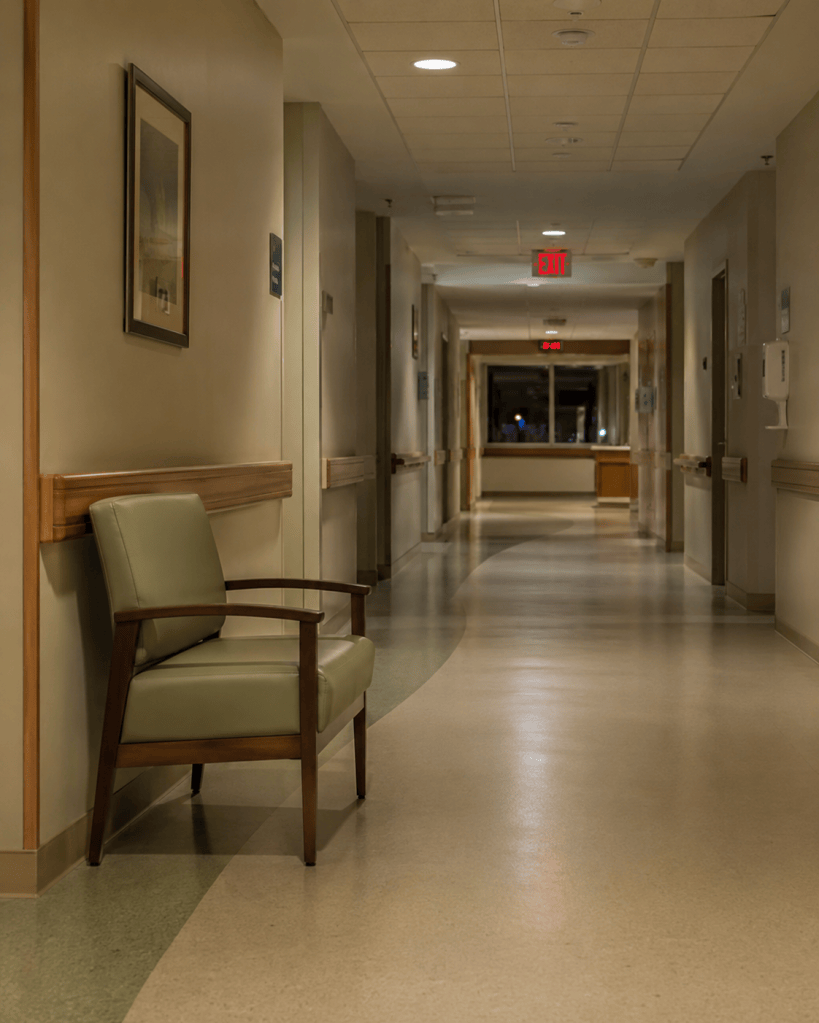
I can still tell you what the monitor sounded like.
Anybody who has spent real time in a children’s hospital can. The particular chirp of the pulse ox. That alarm that means nothing and the alarm that means everything, the squeak of nurse shoes at 3 a.m. When my son was in the thick of his battle with Opsoclonus Myoclonus Syndrome, I learned a whole language. I never asked to learn this language. My body learned it deeper than my mind did. Years later, certain sounds and smells can still put my stomach on the elevator to that floor.
That is medical trauma, and it is one of the least talked about wounds I treat.
The strange math of medical trauma
Medical trauma is complicated. The place that hurt you is also the place that saved you, sometimes in the same hour. The surgery that scared a child half to death is the surgery that kept him alive. The chemo, the spinal taps, the IV attempts on the fourth try. Gratitude and terror get braided together so tight that most people cannot find the seam. They land on gratitude alone and feel guilty about the terror. I have heard it a hundred ways: how can I complain, they saved his life.
You are not complaining. Both things happened to you. Rescue and fear ran through the same hallway. A nervous system does not file events under “necessary.” It files them under “dangerous.” Your body does not care that the procedure was medically required. It cares that you were held down. Maybe you were cut open. Possibly told news that split your life into before and after. The alarm system we have talked about all through this series takes notes in hospitals. Just like anywhere else and it takes very thorough notes.
It happens to the people in the hallway too
Here is the part I want to shout from the porch: medical trauma does not only happen to the patient in the bed.
It happens to the mama who learned to read a nurse’s face before she said a word. The daddy pacing a surgical waiting room where the clock had clearly stopped working. The parents who slept in shifts. Parents who signed consent forms with shaking hands. A parent who smiled at their child and then cried in a stairwell. Watching your person suffer while you stand there unable to fix it is its own trauma, every bit as real. Medical parents almost never get it acknowledged because all the attention rightly goes to the child.
Then there is the long tail. Scanxiety before every follow-up. The way a routine fever sends a medical family somewhere no other family goes. The flinch when the phone rings during clinic hours. Ordinary parents hear a cough. We hear the beginning of a chapter we already lived. If you have ever white-knuckled a waiting room chair during a scan that turned out fine. Then felt foolish for the fear, you were not foolish. Your body was reading from the only history it has.
What healing looks like here
Healing medical trauma does not mean becoming casual about hospitals. It certainly does not mean gratitude and grief taking turns being real. This means teaching your body the difference between then and now, gently and with help. It can mean processing specific memories with a trauma therapist. Like learning regulation skills for appointment days. It can also mean giving the hallway parent, maybe for the first time, permission to be a patient too.
For the parents especially: your child’s healing does not require your silence about your own. Getting help for what those years did to you is not self-pity. It is maintenance on the very person your family leans on. H and I ended up turning our story into children’s books. Putting words and pictures around the scary thing gave both of us somewhere to set it down. Your version of that will look different, and you need a version.
God was in those hallways. I believed it then on the hard nights. Now, I believe it more. I have watched what He grew out of ground I thought was scorched. Hope after diagnosis is not naive. It is a decision you make with trembling hands, over and over. Honestly, it is one of the bravest things I have ever watched families do.
This is education, not therapy, and reading it does not make me your therapist. If you are in crisis, call or text 988.
Related Posts
God Is Not Asking You to Heal Overnight
