The Trauma of Loving Somebody Through Addiction
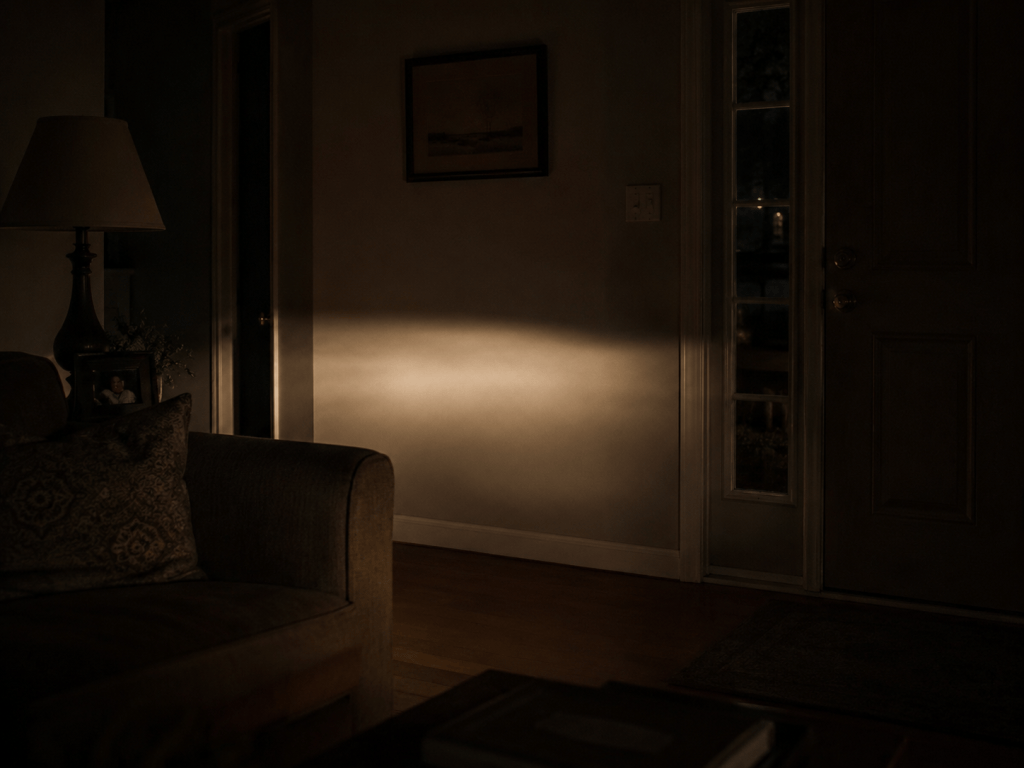
You can read a driveway like scripture when you love an addict. Which way the tires crunch the gravel, how long the truck sits before the door opens, what the footsteps sound like coming up the porch. Kids in these houses learn the difference between a good-night door slam and a bad-night one before they learn cursive.
Addiction gets talked about plenty. The person carrying the addiction gets the interventions, the rehab stays, the relapse chips, the prayers from the whole church. This post is not about that person. It is about everybody else in the house, because living inside somebody else’s addiction is its own trauma. The family members almost never get checked on.
Chaos is a climate too
Everything I wrote earlier in this series about complex trauma applies to addiction households. Addiction turns a home into unpredictable weather. Payday might mean groceries or might mean a three-day disappearance. The same man who coached ball practice on Tuesday is unrecognizable by Friday night. Promises get made in the morning with complete sincerity and dissolve by dark, over and over, until promises themselves stop meaning anything.
A nervous system raised in that weather learns the lessons chaos teaches. Stay alert, trust patterns instead of words, keep your needs small because the house has no room for them. Children of addiction often become tiny adults, hiding car keys, watering down bottles, getting younger siblings fed and to bed, covering with teachers and pastors. The family closes ranks around the secret, so the child carries the vigilance and the loneliness at the same time. Decades later that child sits in my office as a capable, exhausted grown-up who cannot relax, cannot trust good seasons, and jumps every time a phone rings after ten.
The broken promises deserve their own mention, because each one is a small betrayal, and betrayal, as we covered a few posts back, accumulates. Nobody stops loving the addict all at once. Hope dies in installments, resurrected every time sobriety shows up for a stretch, and that cycle of hope and collapse wears a groove in a person that pure loss never could.
Loving without drowning
Now for the hard part, the part I say gently and mean completely. You cannot love somebody sober. If love could cure addiction, there would be no addicts, because these houses are full of more desperate love than almost anywhere on earth. The covering, the rescuing, the paying off, the fortieth second chance. All of it comes from love, and none of it has ever cured anyone, because addiction is not a love deficiency.
At some point, many family members have to face the sentence I offer with a steady voice and a soft heart: stop chasing someone who does not want to be caught. Not stop loving them. Stop chasing, stop funding the disaster, stop setting yourself on fire to keep somebody else warm who keeps striking matches. Boundaries in an addicted family are not abandonment, whatever the guilt says at 2 a.m. They are the difference between standing on the shore ready to help a swimmer who wants the rope, and drowning alongside one who keeps swimming out.
If they choose recovery, praise God, and let them own it, because recovery carried by somebody else does not hold. If they have not chosen it yet, your healing does not have to wait on their rock bottom. Groups like Al-Anon and Alateen exist precisely because the family disease needs its own treatment, and a counselor who understands addiction systems can help you untangle love from rescue.
You learned to read driveways because you had to. It is a skill you can retire now, or at least begin retiring, one boundary and one honest conversation at a time. God sees the ones who waited up. He kept watch with you on every one of those nights, and He is not asking you to keep the vigil forever.
This is education, not therapy, and reading it does not make me your therapist. If you are in crisis, call or text 988.
