Faith, Safety, and the Nervous System
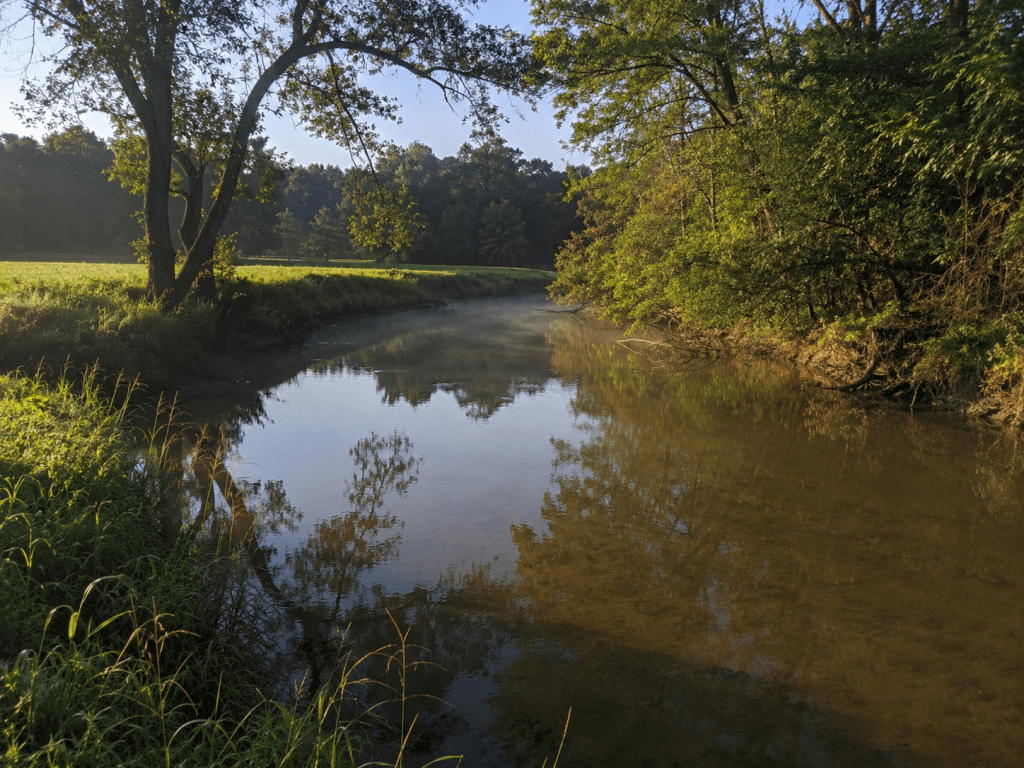
Refuge. Fortress. Strong tower. Hiding place. Shelter under His wings. A very present help in trouble.
Line those words up and notice what they have in common. When the writers of Scripture reached for ways to describe God, they kept grabbing safety words, place words, the vocabulary of a body that can finally stop bracing. Long before anybody coined the term nervous system, the psalmists were describing one, usually their own, usually mid-crisis. What they kept testifying was that God functioned as the safe place their bodies were starving for.
I find that remarkable, because after 20 years of raising some kids from hard places, parenting, marriage, and my professional work I can tell you what a human being needs in order to heal. It is the same short list on every page of the research. First and foremost safety. Also, a steady presence that does not leave. The Bible has been offering both from the first garden to the last city.
When Faith Runs Through the Threat System
Now for the honest part, because plenty of readers just winced. For many people, faith does not land in the body as refuge. It lands as threat. Everything from the religious trauma post earlier in this series applies here. Religious trauma is a very real and painful thing.
A faith built on fear runs through the alarm system. The alarm does not care that the content is religious. The child lying awake doing salvation math, the adult who experiences God as surveillance, one slip from disaster, the worshiper whose body braces in the pew the way it once braced at a slamming door.
That is not communion. In reality, that is hypervigilance pointed at heaven. It produces the same wear on a body as any other chronic threat. You cannot rest inside a fortress you suspect might fire on you. Some of the most exhausted believers I have ever counseled were exhausted precisely there. There were working their relationship with God like a job they could be fired from at any moment. In those moments, they were calling the exhaustion devotion.
If that is your inheritance, hear me. The problem was never that you took God seriously. The problem is that somebody wired His name into your threat system. Remember, wiring can be redone.
He Makes Me Lie Down
Look closely at what the shepherd psalm actually says. “He makes me lie down in green pastures; He leads me beside the still waters” (Psalm 23:2, NKJV).
Sheep will not lie down while they feel threatened. Any shepherd can tell you that. The still water matters because sheep fear fast water. Which means the psalm is describing a shepherd who tends the flock’s nervous system, settling their bodies before anything else, because rest is where restoration happens. He makes me lie down. Sit with the tenderness in that. The shepherd’s first recorded act is not instruction or correction. It is getting a trembling creature calm enough to quit scanning the tree line.
Practically speaking, the faith our people handed down is full of regulation hiding in plain sight. The hymns, with their long slow phrases that force the exhale, sung in a room full of other nervous systems doing the same thing. Repeated prayers, the rhythm of gathering every seventh day, the laying on of hands, the casseroles, the sitting-with that a good church does around a funeral. Breath, rhythm, voice, touch, presence, community. When my grandmother’s generation said there was just something about the old hymns. They were doing better neuroscience than they knew.
Letting God Be The Refuge
So what does it look like to bring your actual nervous system into your faith? Smaller and quieter than you might expect.
It looks like praying honestly instead of performing, since the fortress already knows everything anyway. Reading the Psalms and noticing how much trembling made it into the canon. Then letting that knowledge give your own trembling a pew. Singing, even badly, especially badly, for the exhale as much as the theology. Sitting with the shepherd picture until your shoulders drop. Counting that drop as worship because a body unclenching in God’s presence is trust made visible. When the old fear-wiring flares mid-prayer, meeting it the way you would meet any trauma response by now, with recognition instead of shame. One long slow breath.
A God who is safe changes what healing can reach. He was near the broken at the start and He is the refuge here at the end. In between He turns out to be the steadiest presence on the porch. The One who does not flinch at your storm. Bodies were built to borrow calm. His never runs out.
This is education, not therapy, and reading it does not make me your therapist. If you are in crisis, call or text 988.
Related Posts
Why Trauma Lives in the Body, Not Just the Mind
