God’s Grace in the In-Between Seasons
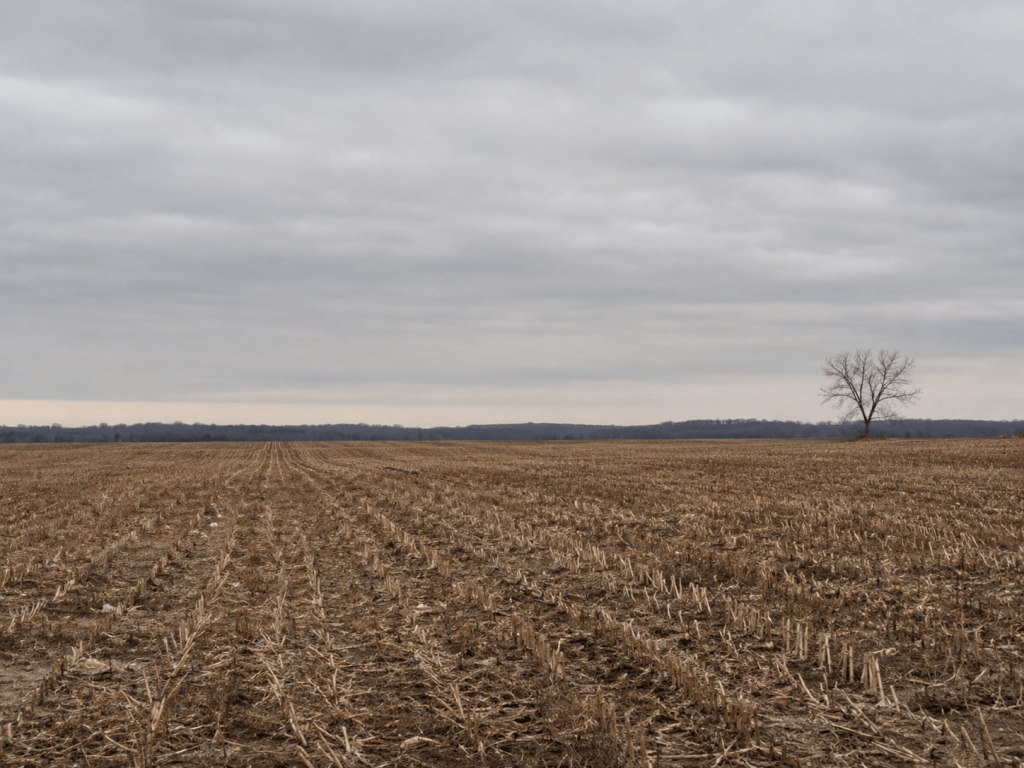
We have ceremonies for the beginnings and the endings. Weddings, funerals, graduations, retirement parties, baby showers. Somebody brings a cake.
Nobody throws anything for the middle.
And the middle is where most of the actual living happens. The eighteen months after the divorce is final and before anything new starts. The stretch after the diagnosis when you’re not in crisis and not recovered. The year after the kids leave. The time after you left the church you grew up in and haven’t found another one. The part after the funeral when everybody went back to work and you’re standing in the kitchen at 4pm.
That’s the in-between, and it has no name, no title, no end date, and nobody asks how it’s going because there’s no obvious question to ask.
Why the in-between wrecks people
It’s not the intensity. The crisis was more intense.
It’s the shapelessness. In a crisis you know what to do. There are calls to make, decisions in front of you, adrenaline moving you through the day. People show up. You have a role even if the role is terrible.
Then it’s over, and there’s nothing. No structure, no tasks, no audience, and the great engine of adrenaline that got you through shuts off, and you’re just standing there in a life that doesn’t look like the old one and isn’t yet the new one.
A lot of people fall apart here, months after the actual event, and then feel crazy about it because the hard part is supposedly over. If that’s you, you’re not backsliding. You’re finally still enough to feel what happened.
The faith part gets strange here too
Here’s something I don’t hear people admit often. Faith in the in-between doesn’t feel like faith.
During the crisis, a lot of us pray hard and feel something. There’s an urgency, and urgency has a way of opening things up. Then the crisis passes, the urgency drains out, and what’s left is a flat quiet that feels less like peace and more like an unanswered phone.
You go to church and the songs are about mountaintops and valleys and you’re in neither. You’re in a parking lot.
I don’t think that flatness means anything’s wrong with your faith. I think it means the in-between is the part where faith stops being an emotion and becomes a practice, and that transition is uncomfortable for everybody who goes through it.
What grace looks like in a parking lot
Not fireworks. Here’s what I actually see.
Provision that shows up at the last reasonable minute and not one day earlier, which is maddening and also keeps happening.
People who appear without being asked. A friend who texts on the specific bad day. Somebody who says the one accurate sentence and has no idea what they did.
A capacity you didn’t have last year that you notice by accident.
The fact that you’re still standing in a stretch you genuinely did not think you could survive. That’s not nothing. You predicted you’d break and you haven’t, and you should be more curious about that than you are.
How to hold on in the middle
Build a container. In the absence of structure, make a small one. Same wake time, one thing on the calendar each day, a Wednesday night that’s always the same. Your nervous system needs edges and the in-between doesn’t supply any.
Keep going to the room. Church, group, therapy, the friend’s kitchen. Attendance without feeling counts. This is the whole argument for practice over emotion, and it’s why every durable tradition has a liturgy for people who don’t feel anything that morning.
Stop demanding that it mean something yet. Meaning tends to arrive in the rearview. Trying to extract it from the middle is a way of trying to end the middle early, which you cannot do.
Let it be boring. This is a weird instruction and I’m giving it anyway. The in-between is often boring, and boring is not a spiritual failure. Some seasons are just long.
Tell the truth about where you are. Not the fine version. If somebody asks, try “I’m in a strange stretch and I don’t have a good word for it.” You’d be shocked how many people say me too.
Between Friday and Sunday
There’s a day in the middle of the most important weekend in Christianity that almost nobody preaches on.
Saturday.
Friday has the crucifixion, Sunday has the resurrection, and Saturday has a group of people sitting in a locked room with no information whatsoever. They weren’t in the crisis anymore. They didn’t know the ending. What they had was a whole day of nothing but the worst thing that had ever happened to them and no idea that anything was coming.
The story kept going anyway, and it kept going while they were sitting there certain that it hadn’t.
If you’re in a Saturday, you’re not outside the story. You’re in the least written-about, most crowded room in the whole thing.
Hold on a while longer. I know it’s long. I’d sit in it with you if you were here.
This is education, not therapy. If you’re in crisis, call or text 988 for the Suicide and Crisis Lifeline. If you’re in Kentucky and stuck in the middle of something with no name, come talk. Circle of Hope Counseling Services.
Related Posts
The Difference Between Facts and Stories We Tell Ourselves
