Faith After Betrayal
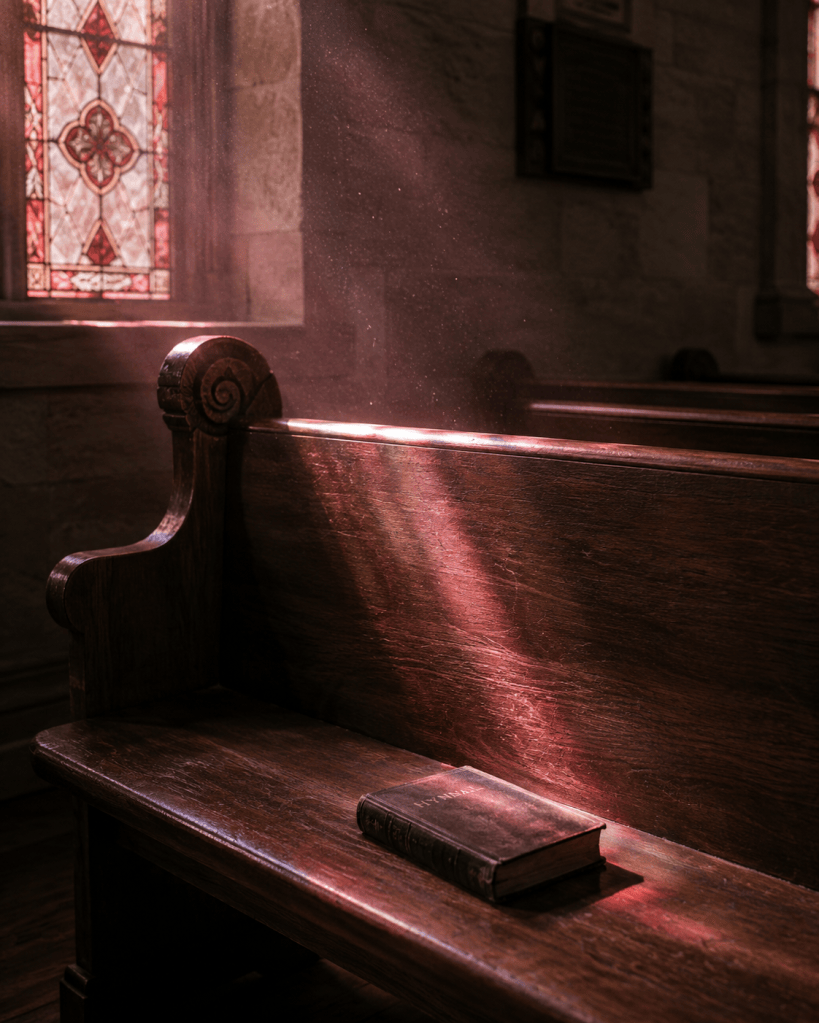
There’s a question you may be carrying that feels too dangerous to say in Sunday school. You prayed over that marriage. Then, you trusted God with that friendship, that church, that family. You did it right, as far as you knew how. And it still happened.
So, where was He?
I’m not going to flinch at that question, and I’m not going to hand you a bumper sticker for it either. Let’s sit in it honestly.
What Spiritual Rupture Looks Like
Emotionally, it can feel like a second betrayal layered under the first, quieter but deeper. Relationally, church itself may feel complicated now, especially if the betrayal happened inside a faith community or involved someone who quoted scripture on the way in. Spiritually, prayer might feel like talking to a ceiling, worship songs might ring hollow, and the verses that used to comfort you might land like salt. Physically, even walking into the building can set off the body’s alarm if the wound and the faith got tangled together.
None of that means you’ve lost your faith. It means your faith got wounded in the same event that wounded everything else, and wounds need tending, not scolding.
The Clinical Piece
There’s a recognized concept here called spiritual struggle or religious trauma, and research on it is clear about two things. First, wrestling honestly with God after harm is common, normal, and not a predictor of losing faith. Second, what does the damage is suppression, being told the questions themselves are sinful, which forces people to choose between their honesty and their community. The betrayal broke your working model of how the world was supposed to run, God protects the faithful, doing it right keeps you safe, and your mind has to rebuild that model with the new information included. That rebuilding is slow, and it goes better with the questions on the table than shoved under it.
Where God Fits Into This
Nearly a third of the Psalms are laments, and more than one of them asks God directly why He’s hiding, why He’s silent, how long this will last. Those questions are in the hymnbook of scripture, which tells you God expected them and made room. Jesus Himself, on the cross, asked why God had forsaken Him, quoting a psalm of abandonment out loud with His dying breath. If the Son could ask it, the question is not off limits to you. A faith that survives betrayal usually doesn’t look like the faith from before. It’s quieter in some places, sturdier in others, and it walks with a limp. It’s also real in a way the untested version never had to be.
One Small Step
Ask the question. Out loud, on paper, in the truck on a back road, wherever. Not the polished version. The real one. He’s heard it before, and He didn’t leave then either.
This post is for informational and educational purposes only and is not a substitute for therapy, diagnosis, or treatment. If you are in crisis or feel unsafe, please contact local emergency services or call/text 988 in the United States for immediate support.
Circle of Hope Counseling Services, LLC provides therapy services to Kentucky residents. If you are located in Kentucky and would like support as you work through grief, trauma, betrayal, anxiety, or relationship pain, you can reach out to schedule a free 15-minute consultation.
Related Posts
When Gaslighting Makes You Doubt What Happened
